Practical Probability Lessons for Everyone
21 July 2026 | 34
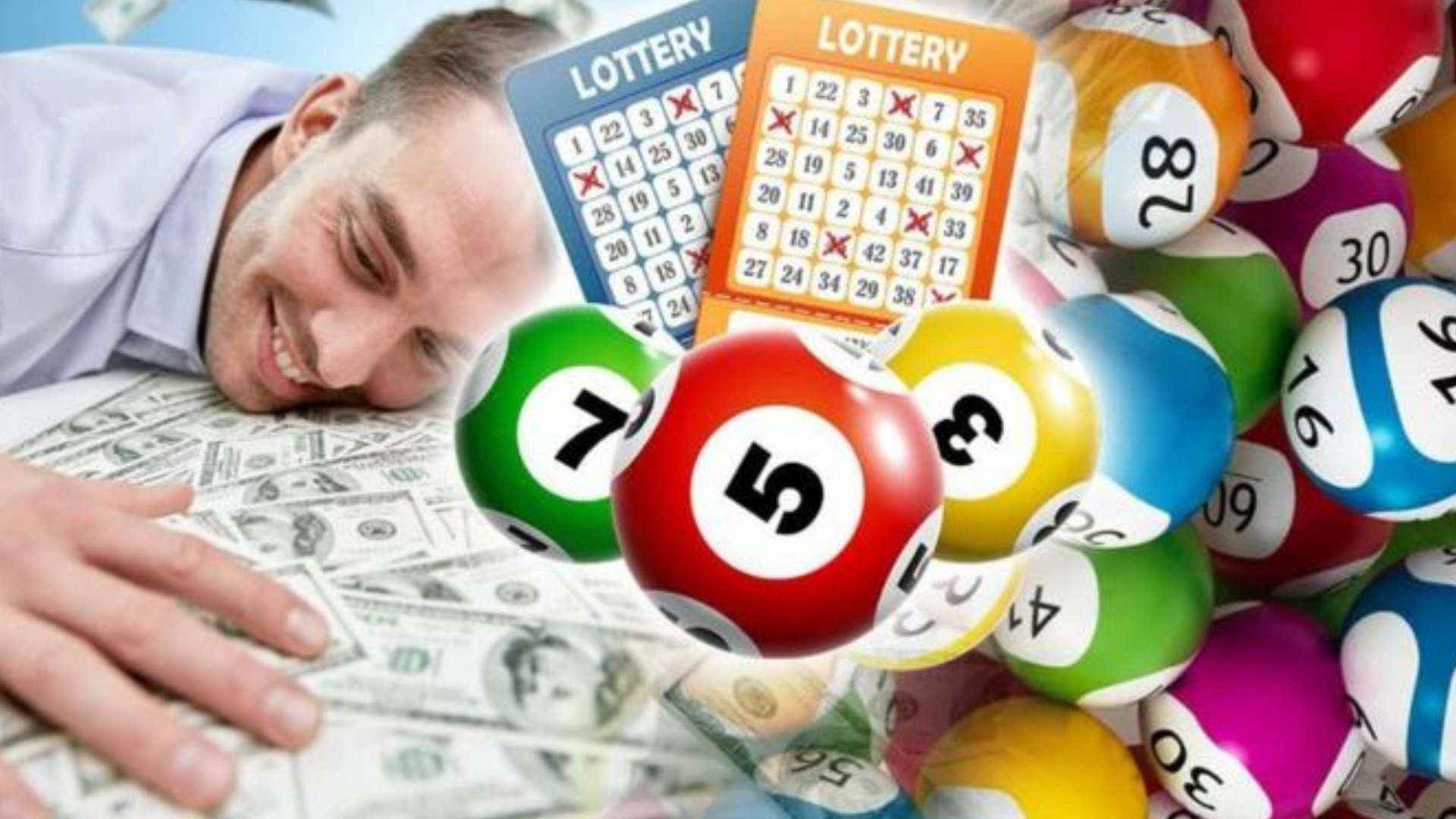
Probability is a fundamental mathematical concept that shapes many aspects of our everyday decisions, from predicting the weather to assessing personal financial risks. While textbook formulas can often feel distant and intimidating, understanding how likelihood functions helps us navigate a world full of uncertainty. By learning how to interpret random events objectively, anyone can improve their analytical mindset and build stronger problem-solving capabilities.
The Core Principles of Daily Risk Assessment
Every single day, our brains process thousands of unique choices without us realizing the statistical equations running behind them. We weigh the options of carrying an umbrella based on cloud cover or deciding the best route to beat morning traffic. Embracing a basic structured approach allows individuals to move past pure human intuition and transition toward data-driven actions instead.
Understanding independent and dependent events is the primary foundation of this structural perspective. For instance, the outcome of flipping a coin once has absolutely no mathematical influence on the subsequent toss. Recognizing this independence prevents people from falling into common mental traps that distort realistic expectations.
How Gaming Models Enhance Logical Strategy
Interactive environments like traditional card games and modern digital simulations serve as excellent practical laboratories for testing statistical concepts. By analyzing shifting odds during a live match, players learn to evaluate changing parameters dynamically under conditions of uncertainty. This engaging process transforms abstract algebraic theories into tangible lessons that sharpen real-world critical thinking.
Many modern platforms utilize these foundational principles to design balanced entertainment systems that test logical boundaries. When exploring these strategic ecosystems, finding an established platform like Mansion88 can offer an interesting look into how digital random number generation shapes structural gameplay. Observing these digital systems helps demystify the exact mechanics that separate pure chance from calculated tactical expertise.
Differentiating Between Luck and Certainty
Human perception is naturally wired to search for distinct patterns, even within sequences that are entirely randomized. This cognitive bias often leads individuals to confuse temporary streaks of good fortune with an enduring strategic advantage. Acknowledging that variance is a natural part of any distribution helps maintain a balanced perspective during unexpected challenges.
Developing true analytical confidence requires steady observation and the patience to evaluate outcomes over extended periods. By tracking long-term metrics rather than focusing on isolated incidents, you can make informed adjustments to your general plans. This objective framework reduces personal anxiety and empowers you to face unpredictable situations with structured calm.
Practical Exercises for Curious Minds
Mastering these foundational statistical skills does not require advanced university degrees or complex computer software. Beginners can start by conducting simple multi-coin toss experiments at home to visualize numerical distributions firsthand. This hands-on practice builds an intuitive grasp of how individual random events compile into highly predictable mathematical shapes.
Consistently applying these baseline logical guidelines to routine dilemmas turns abstract mathematics into a highly practical daily tool. With time and active engagement, the principles of likelihood become second nature, allowing you to optimize opportunities effectively. Embracing this analytical journey ensures that uncertainty becomes an exciting puzzle rather than a source of stress.